How to Run a Gym Foundations Program That Sets New Members Up to Stay


Gym Foundations Program:
A well-run foundations program does three things at once: teaches the movements safely, builds the first relationship with a coach, and creates the commitment that drives long-term retention. The best format for most boutique gyms is a 4 to 6 session program priced between $99 and $249, taught in small groups of 2 to 4 new members, with a defined curriculum. Foundations is not just a teaching tool. It is the single highest-leverage retention investment a boutique gym can make.
A foundations program is the small course or series of intro sessions that new members complete before joining regular classes. Different gyms call it different things. On Ramp. Foundations. Elements. Intro Course. The name varies. The job is the same: get a new member ready to walk into a regular class with confidence and the skills they need.
But foundations does something most gym owners underestimate. It builds the relationship and commitment that drives 12-month retention. The gyms with the best long-term retention almost universally run a great foundations program. The gyms with high churn often don't run one at all, or they run it badly.
Here's how to run one that works.
Why a foundations program drives retention
Three things happen during a great foundations program that don't happen in regular classes.
• The new member spends focused 1-on-1 or small-group time with a coach. The relationship that gets built in these sessions is deeper than what happens in a 22-person class.
• The new member earns the gym before they join it. Paying for and completing the foundations creates a small, real investment. People value what they invest in.
• The new member learns the movements safely and confidently, which removes one of the biggest barriers to consistent attendance later.
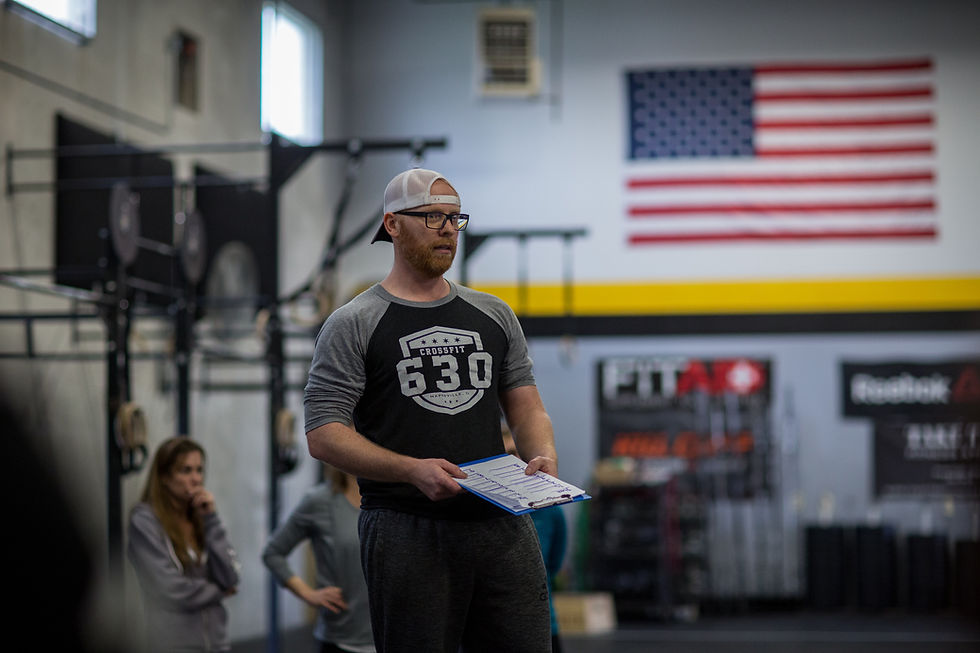
At CrossFit 630 we run our Beginner's Course as a 4-week (3x per week) session and cap it at 10-members to ensure the coach can properly manage and teach. We have found over the years that the people who complete the course have upwards of a 90+% stay rate and continue with regular group classes after. And with our average length of engagement at just under 4 years, thats a lifetime value of about $82,000 each time we run a Beginner's Course.
How long should a foundations program be?
Most successful foundations programs run 3 to 6 sessions across 2 to 4 weeks.
The shorter end (3 sessions in one week) works for gyms with simpler movement libraries (boot camp, functional fitness) or for new members coming from a fitness background. The longer end (6 sessions across 3 weeks) works for gyms with more technical movements (CrossFit, BJJ) or for true beginners. Going longer than 6 sessions tends to push members away. Going shorter than 3 leaves them underprepared.
What format works best: 1-on-1 or small group?
Both work. The trade-offs:
Format | Cost to Member | Relationship Depth | Community Building | Coach Time |
1-on-1 sessions | Higher ($150-$300) | Strongest | Limited | Most expensive |
Small group (2-4) | Moderate ($99-$199) | Strong | Strong | Efficient |
Group (5-10) | Lower ($59-$129) | Moderate | Strong | Most efficient |
Most boutique gyms land on the small group format because it balances all four trade-offs. The new members get coach attention and start building friendships with the people they'll see in class for years to come.
How to price a foundations program
The price needs to feel meaningful to the new member without being a wall. Most boutique gyms price foundations between $99 and $249 for the full program.
Pricing structure options:
•Standalone fee paid upfront. The member pays for foundations separately from membership. Simple, transparent, and a clean commitment signal.
•Foundations rolled into the first month. The member pays a higher first-month rate that includes foundations and unlimited classes for the rest of the month. Works well for gyms that want to reduce the perception of a separate charge.
•Foundations credited toward membership if they sign up. The member pays the foundations fee. If they commit to a membership at the end, the foundations fee gets credited toward the first or second month. Encourages conversion but requires careful tracking.
What should a foundations curriculum cover?
Every gym's foundations curriculum looks different based on the movements and methodology, but most strong programs cover the same five categories across the sessions.
1. Movement fundamentals. The squat, the hinge, the push, the pull, the carry. Whatever the core movements of your methodology are, foundations should teach them in isolation before combining them in workouts.
2. Methodology orientation. What is the structure of a typical class? What does the warm-up look like? How does the workout get scored or tracked?
3. Safety and scaling. How to know when to ease back. How to ask for a modification. What "good form" means and why it matters.
4. Goal-setting conversation. At least one session should include a structured conversation about what the new member is working toward and how the gym will support that.
5. Community introduction. By the end of foundations, the new member should know at least 3 to 5 other members by name. Build in moments to make that happen.
Common foundations program mistakes
•Making foundations optional. Members who skip foundations retain at far lower rates. If you let people opt out, you'll always have a churn problem rooted in unprepared new members.
•Cramming too much into too few sessions. A foundations program that tries to cover 18 movements in 3 sessions teaches none of them well. Slow down.
•Running it as a series of solo classes. Foundations is a course, not a set of independent sessions. The curriculum should build over the program.
•Ignoring the conversion conversation. By session 4 or 5, the coach should be having an explicit conversation about membership and what comes next. Pretending there's no commercial component until the last day is awkward.
•Charging too little. A free or near-free foundations program signals "introduction" rather than "investment." The price is part of the commitment.
How software runs a foundations program
The mechanics that need to work: scheduling foundations sessions separately from regular classes, capacity-capping at the right small-group size, billing the foundations fee independently from membership, and tracking who has completed the program.
With Chalk It Pro, you can create the foundations course as a Workout Program, design it once and just reuse it over and over. It allows you to keep memberships, schedules and communications with that group separate and extremely organized. The more professional a presentation you have towards your clients, the more likely they are to stay.
Frequently Asked Questions
What is a gym foundations program?
A foundations program is a short series of structured intro sessions that new members complete before joining regular classes. Most run 3 to 6 sessions across 1 to 3 weeks and cover movement fundamentals, methodology orientation, safety, and goal-setting.
How much should a foundations program cost?
Most boutique gyms price foundations between $99 and $249. The price should feel meaningful enough to signal commitment without becoming a barrier for prospects who would have been good members.
Should a foundations program be 1-on-1 or group?
Small group of 2 to 4 new members hits the best balance for most boutique gyms. It provides enough coach attention for relationship building and skill development, but also starts the community connections that drive long-term retention.
How long should a foundations program last?
3 to 6 sessions across 1 to 3 weeks works for most gyms. Shorter than 3 sessions leaves new members underprepared. Longer than 6 sessions tends to push prospects away before they ever join regular classes.
Can new gym members skip foundations and go straight to regular classes?
We don't recommend it. Members who skip foundations retain at 30 to 40 percent lower rates than members who complete it. The retention math says foundations is non-negotiable for new members, even if it costs you a few prospects who refuse to do it.
What should a foundations program curriculum cover?
Movement fundamentals, methodology orientation, safety and scaling, a goal-setting conversation, and community introductions. The exact content varies by gym type, but the five categories show up in most successful programs.
Ready to see what's possible? Chalk It Pro handles foundations program scheduling, capacity caps, separate billing, and completion tracking out of the box. www.chalkitpro.com/bookdemo |
About the Author
Nate Steele is the co-founder and CEO of Chalk It Pro. He is also still an active gym owner, just like you as he's owned gyms for the past 16 years and counting. Currently he owns and operates CrossFit 630 in Naperville, IL. He built Chalk It Pro because he was tired of running his gym on four different tools that didn't talk to each other. He still coaches every week.